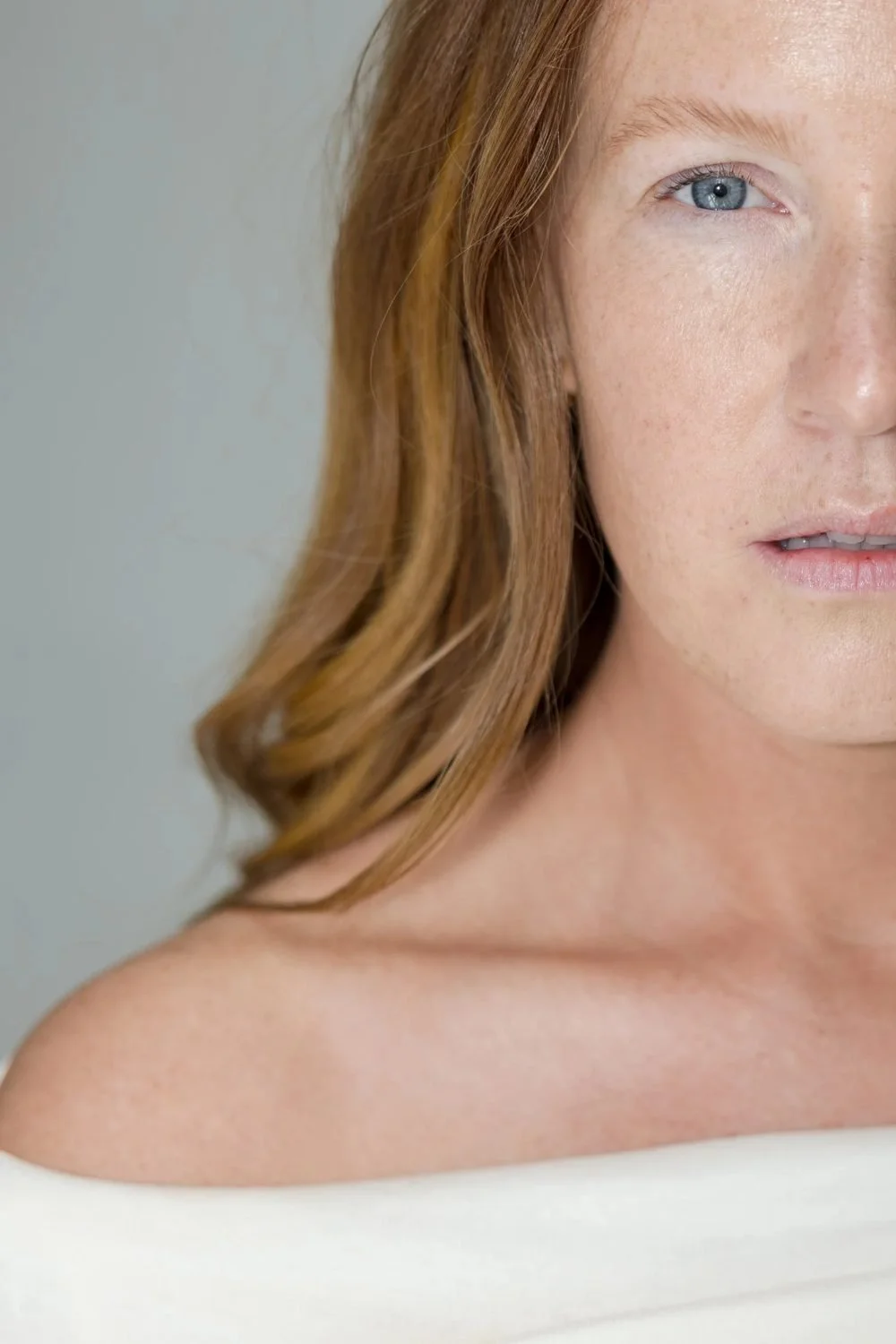
Choose microneedling if you want smoother texture and firmer-feeling skin, and a chemical peel if you want brighter, more even tone. The main difference in microneedling vs chemical peel is depth. Microneedling prompts your skin to build new collagen from within. A peel works from the surface, loosening dull outer layers. Many people use both, and the two can even be paired in one treatment.
By the team at THE SKIN FIX, Lake City, Florida. Published October 15, 2026.
At THE SKIN FIX we perform microneedling, BioRePeel, and the GetGlowing Micro-Peel. Results from all three build gradually, so the better question is what you want your skin to do over the next few months.
Microneedling vs Chemical Peel: What's the Difference?
The short version: microneedling works by controlled injury, and a peel works by controlled exfoliation.
Microneedling uses very fine needles to make tiny punctures in the skin. Your skin treats those as small wounds and starts its repair process, which increases collagen and elastin, according to Cleveland Clinic. Those are the proteins that keep skin firm and smooth. The change is gradual because collagen takes months to build.
A chemical peel applies an acid solution that loosens and removes outer layers of skin. Peels come in light, medium, and deep strengths. Light peels act on the outermost layer only. Medium peels, the category that includes trichloroacetic acid (TCA), reach a little further down.
| Microneedling | Chemical peel | |
|---|---|---|
| How it works | Tiny punctures prompt the skin to rebuild collagen | An acid loosens and removes outer layers |
| Best suited to | Texture, enlarged pores, fine lines, mild acne scars, skin that feels less firm | Dullness, uneven tone, sun spots, rough surface texture |
| Typical recovery | Redness and swelling for a few days, up to about five | Light peels: about three to seven days of redness and flaking. Medium peels: about one to two weeks |
| How results arrive | Gradually, over roughly three to six months | Surface changes show once the skin heals, building over a series |
| Usual plan | A series, spaced weeks apart | A series, spaced weeks apart |
| Skin tone notes | No heat or light involved, so a lower risk of discoloration | Higher risk of temporary or lasting darkening in darker skin tones |
These are general patterns from published clinical guidance. Your own response depends on your skin, your home routine, and the treatment plan, and results are always gradual and individual.
Which Is Better for Texture, and Which for Tone?
For texture, microneedling is usually the stronger choice. Rough patches, enlarged pores, fine lines, and the soft indented scars acne can leave behind sit partly below the surface. A peel can smooth the surface, but asking the skin to rebuild underneath reaches further, and that's what microneedling does.
For tone, a peel series usually does more. Dullness, uneven color, and sun spots live mostly in the upper layers. A series of peels lifts those layers in stages, and the skin that comes through is usually brighter and more even. Peeling itself varies by skin type and is not guaranteed, so how much you flake tells you little about whether a peel worked.
For firmness, microneedling again. Peels can soften fine lines, but if your goal is skin that feels thicker and more resilient, collagen is the lever, and microneedling pulls it more directly.
Wanting both, smoother and brighter, is common. If you're not sure which goal comes first for you, book a time to talk it through and we'll look at your skin together.
How Do Microneedling and Peels Work at THE SKIN FIX?
Both are on our menu, and they don't always mean separate visits. Microneedling can be done with a peel solution as part of the same treatment. Your esthetician chooses the approach after looking at your skin.
Microneedling
Our microneedling appointment runs 60 minutes or more. Some clients start with DMK® Enzyme Therapy before a first microneedling series, since skin that's calm and well conditioned tends to handle a repair-focused treatment better.
BioRePeel
BioRePeel is a 35% TCA peel that takes about 45 minutes. The TCA number sounds strong, and people often expect heavy peeling afterward. Visible peeling varies a great deal from person to person and is not guaranteed, so BioRePeel before and after results look different on everyone.
GetGlowing Micro-Peel
The GetGlowing Micro-Peel is a 60-minute treatment on our signature facials menu. Ask at your consultation whether it or BioRePeel suits your skin better.
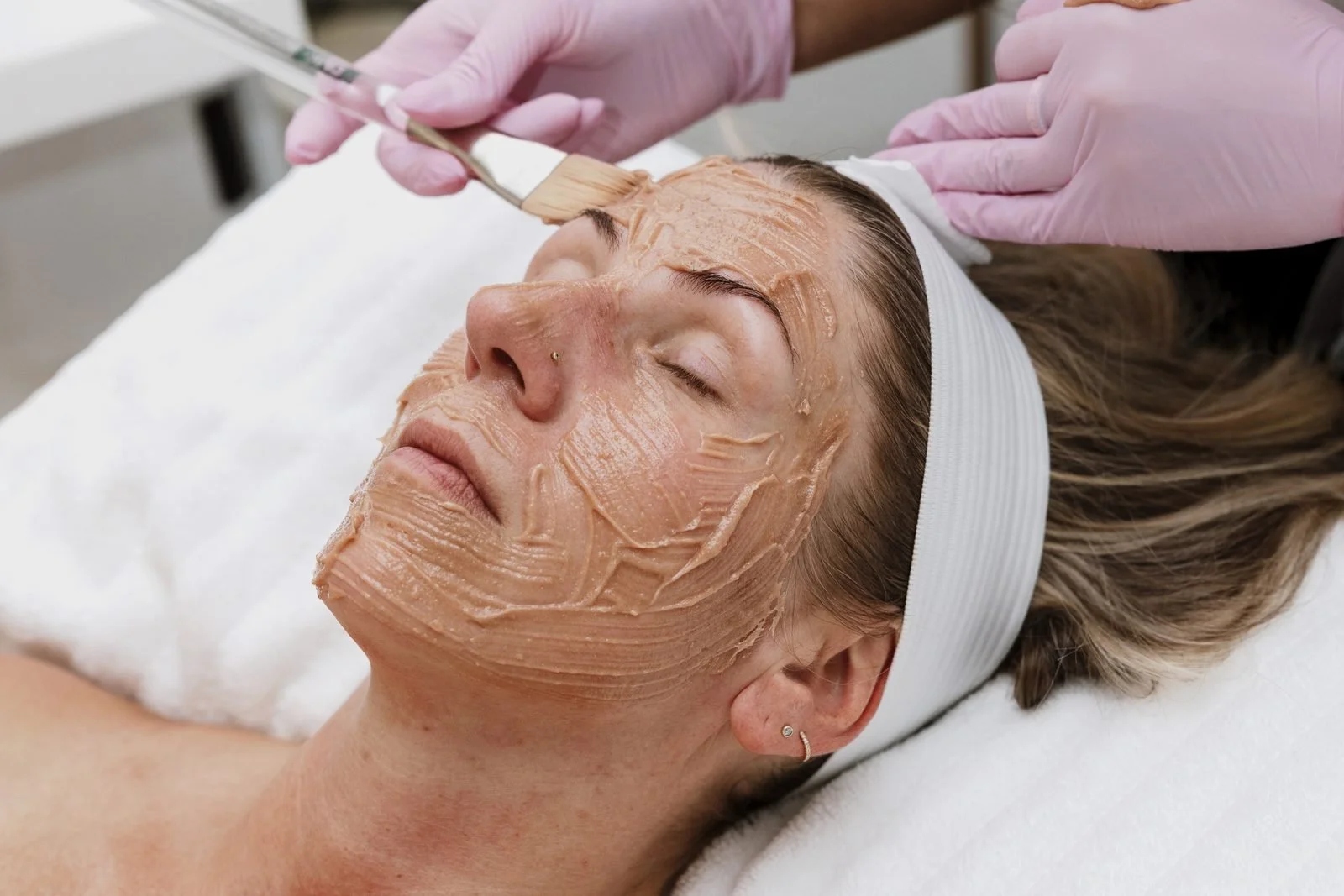
Should You Do Microneedling or a Chemical Peel First?
If your main goal is texture or firmness, microneedling is the usual starting point. If your main goal is tone or brightness, a peel series usually is. If you want both, the order isn't fixed. Microneedling can be done with a peel solution in the same treatment, or the two can be spaced out as separate visits, and your esthetician will suggest which fits your skin.
Two things can change that order:
- Your skin tone. Cleveland Clinic notes that people with darker skin tones carry a higher risk of darkening after a chemical peel. Microneedling doesn't use heat or light, so it carries less of that risk. For deeper skin tones, that's a reason to be careful about which peel and what strength.
- Your calendar. Peels need you to stay out of direct sun while your skin heals. A beach trip next month is a reason to schedule around it.
Can You Combine a Chemical Peel With Microneedling?
Yes, and there's research behind it. A randomized controlled trial of 120 patients compared microneedling alone, a TCA-based peel alone, and the two combined for atrophic acne scars. Only the combination group showed a statistically significant improvement on the scar grading scale, after four sessions spaced 20 days apart.
That study looked at acne scars specifically, mostly in adults under 40, so it doesn't promise the same result for every goal. It does support what many estheticians see in practice: the two treatments work on different layers, so they can complement each other.
How you combine them matters. At THE SKIN FIX, microneedling can be done with a peel solution in the same appointment, and your esthetician picks the solution for your skin. Wondering whether that can mean microneedling with BioRePeel? Ask at your consultation. If the two are done as separate visits instead, putting one on skin that's still healing from the other can irritate it, so give your skin time to settle in between.
Whatever the order, your skin should be fully settled before the next treatment. Follow the aftercare instructions for each one.
Is 40 Too Old for Microneedling?
No. Age alone isn't a reason to skip either treatment. The published lists of who should avoid microneedling are about health conditions, such as slow healing, keloid scarring, or a weakened immune system, and none of them sets an age cutoff.
Here's why the timing makes sense. Your body makes less collagen as you get older, and Cleveland Clinic notes a significant drop in collagen production after menopause. A treatment that prompts the skin to build collagen fits that stage of life well. Hailey's view of skin care applies here too: "Invest in prevention now, so you don't have to invest in correction later."
Skin in your 50s and 60s can take longer to settle after a treatment, so spacing matters more. A well-spaced series your skin handles comfortably beats a rushed one.
What Does Recovery Look Like for Each?
After microneedling, Cleveland Clinic says skin may be red and swollen for up to five days, and you'll need to stay out of the sun until it heals. Collagen keeps building long after the redness fades, so the full result can take three to six months to show.
After a light peel, expect a sunburn-like redness and flaking for about three to seven days. Medium peels crust and peel over roughly one to two weeks. With either, keep treated skin out of the sun until it heals, then wear sunscreen every day to protect the result. If you're having microneedling, plan your first week of microneedling aftercare before the appointment.
Frequently Asked Questions
Which is better, a chemical peel or microneedling?
Neither is better across the board. Microneedling is the stronger choice for texture, firmness, and mild acne scars, because it prompts the skin to build collagen. A chemical peel is the stronger choice for dullness and uneven tone, because it works on the surface layers. Many people use both, either spaced apart or paired in one treatment.
Is microneedling three times a year enough?
It can be, once you're past the first series. A series is usually spaced about three to eight weeks apart, and Cleveland Clinic notes that maintenance may only be needed about once a year after that. So three sessions a year is plenty for upkeep for many people. Your esthetician sets the rhythm based on how your skin responds.
How does BioRePeel compare with a VI Peel?
Both are branded peels used in professional settings, but they're different formulas. BioRePeel is a 35% TCA peel that takes about 45 minutes in our clinic, and its peeling varies by skin type. Spacing matters too: how often to get a chemical peel depends on the peel's strength and how your skin recovers.
What should you not do before microneedling?
Don't arrive with a fresh tan or sunburn, an active skin infection, or painful, inflamed breakouts, since those are common reasons to postpone. Tell your esthetician about any acne medication or recent isotretinoin use, cold sores, or blood thinners before your appointment. Those details change the plan.
Can I do microneedling if I have blackheads?
Mention them at your consultation. Blackheads on their own are different from inflamed, painful breakouts, which are a reason to wait. Acne medication matters too. Your esthetician looks at your skin before deciding, and some clients start with enzyme therapy to prepare the skin first.
Start With What You Want Your Skin to Do
Microneedling and chemical peels work on different layers toward the same goal: healthy skin that keeps working well for years. Tell us what you want your skin to do, and we'll explain the reasoning behind where we'd start. We see clients from Lake City, Live Oak, Lake Butler, and Gainesville, and every plan starts with a conversation.